Nimona
Feature Animation at Neflix

Nimona
Feature Animation at Neflix
Nimona
Feature Animation at Neflix
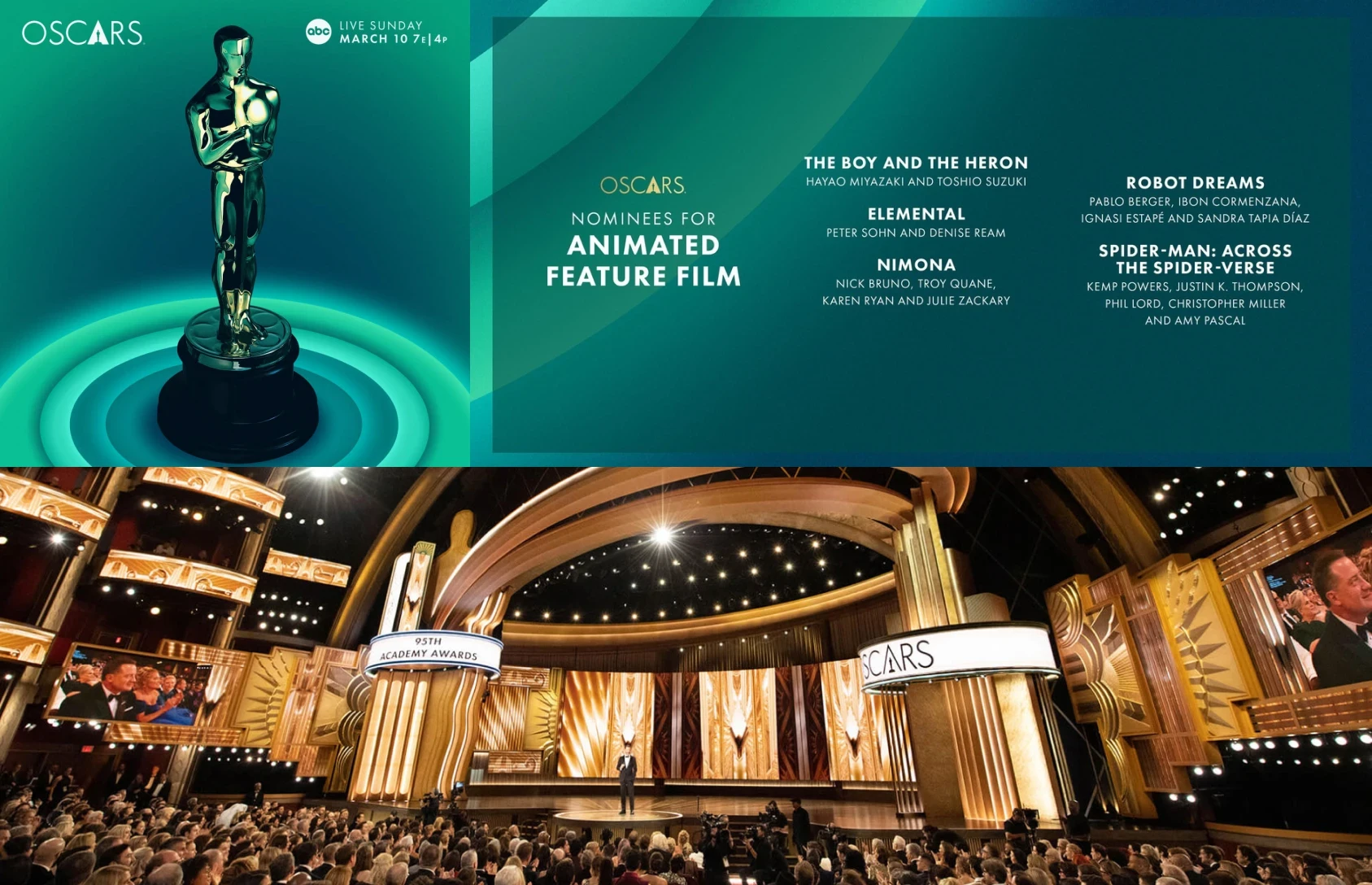
OSCAR® nominated · BAFTA finalist · 9 Annie nominations · 2 Annie wins · Critics Choice nominee · VES nominee · Hugo Award nominee · 40+ nominations total.
CONTEXT
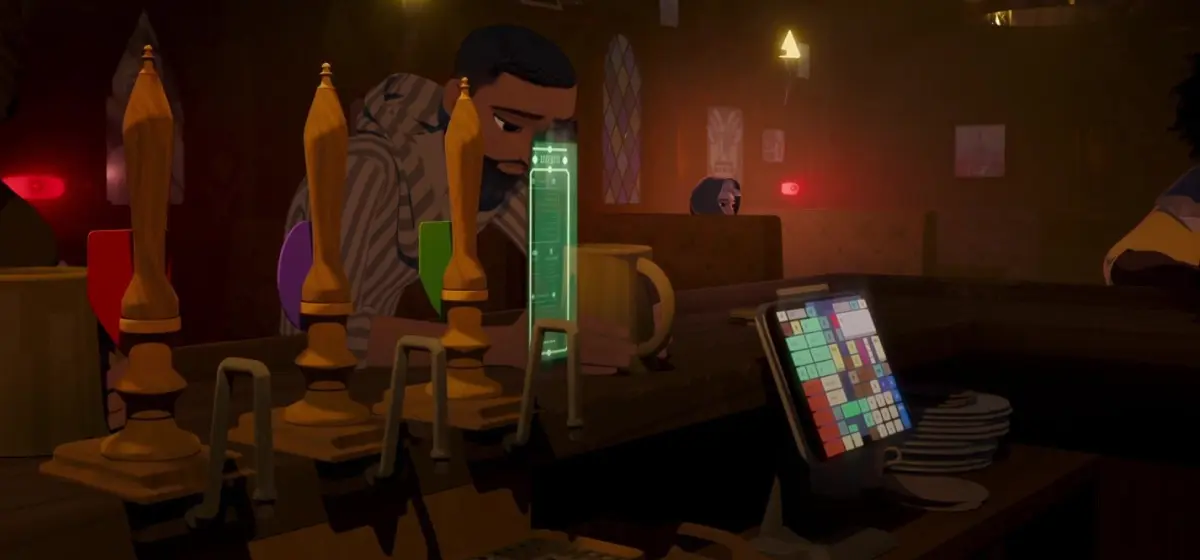
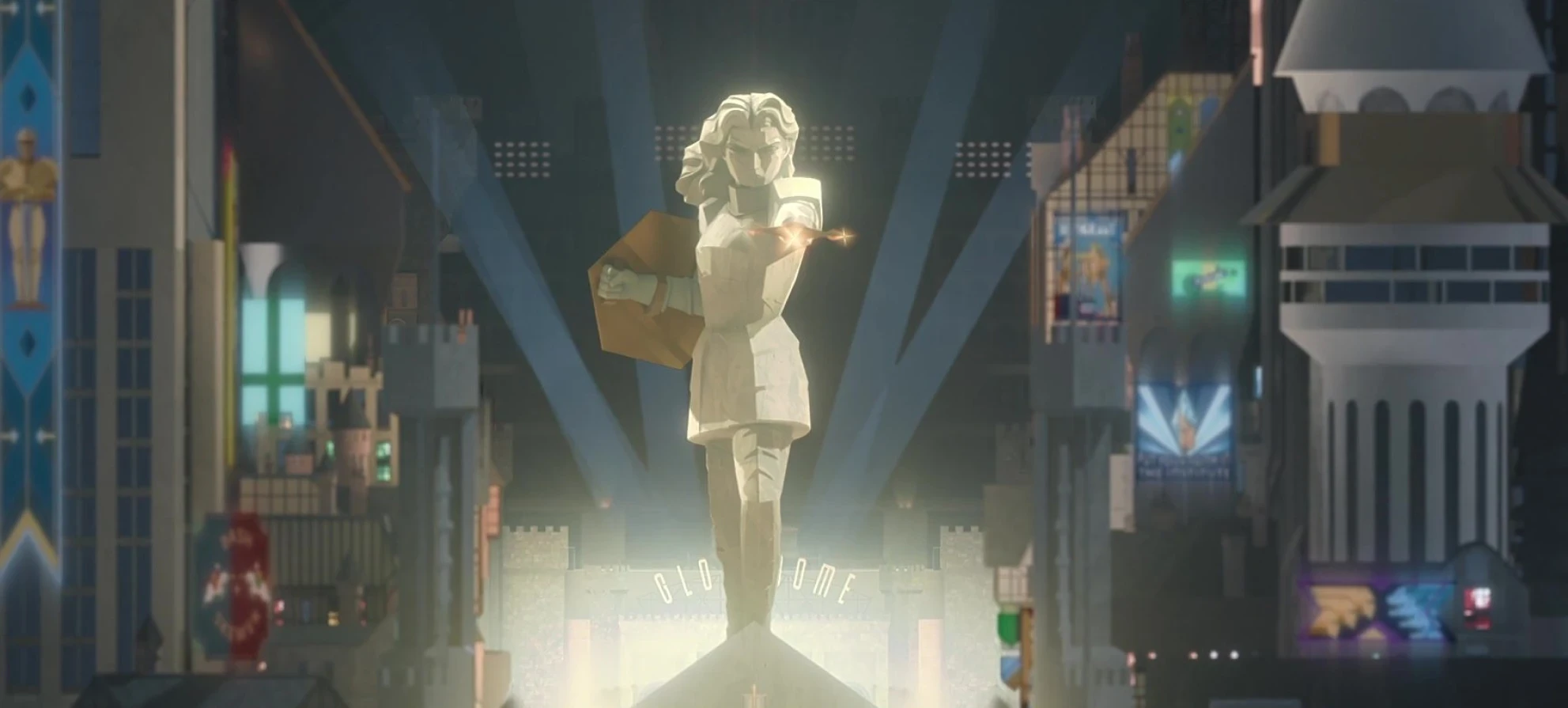
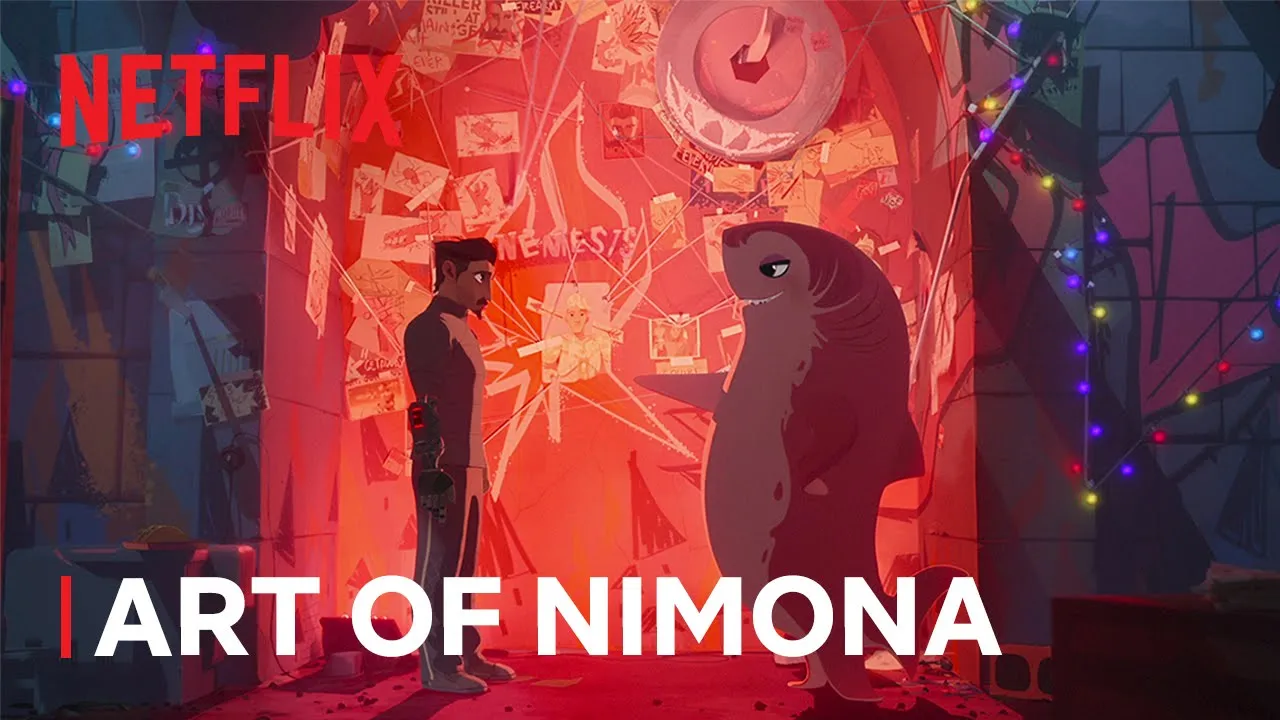
Credited as Motion Artist on Nimona, an Oscar-nominated, BAFTA-finalist Netflix feature produced at DNEG, one of Hollywood's most decorated VFX studios with eight Academy Awards. The work was to build the film's visual world from the inside out: every screen, interface, typographic system and in-world graphic had to feel native to its fictional universe, not designed on top of it.
Client
DNEG for NETFLIX
Role
MGFX Artist credited
DIRECTION
Working directly with the film's directors and senior VFX team across dozens of individual design briefs, the work spanned sci-fi interface design, large-scale set environment graphics, motion branding and typographic systems. Part of a collaborative production pipeline that generated over 400 unique animated elements. The standard was invisibility: design so embedded in the world that the audience never notices it was made.
CONTEXT
Credited as Motion Artist on Nimona, an Oscar-nominated, BAFTA-finalist Netflix feature produced at DNEG, one of Hollywood's most decorated VFX studios with eight Academy Awards. The work was to build the film's visual world from the inside out: every screen, interface, typographic system and in-world graphic had to feel native to its fictional universe, not designed on top of it.
Client
DNEG for NETFLIX
Role
MGFX Artist credited
DIRECTION
Working directly with the film's directors and senior VFX team across dozens of individual design briefs, the work spanned sci-fi interface design, large-scale set environment graphics, motion branding and typographic systems. Part of a collaborative production pipeline that generated over 400 unique animated elements. The standard was invisibility: design so embedded in the world that the audience never notices it was made.
CONTEXT
Credited as Motion Artist on Nimona, an Oscar-nominated, BAFTA-finalist Netflix feature produced at DNEG, one of Hollywood's most decorated VFX studios with eight Academy Awards. The work was to build the film's visual world from the inside out: every screen, interface, typographic system and in-world graphic had to feel native to its fictional universe, not designed on top of it.
Client
DNEG for NETFLIX
Role
MGFX Artist credited
DIRECTION
Working directly with the film's directors and senior VFX team across dozens of individual design briefs, the work spanned sci-fi interface design, large-scale set environment graphics, motion branding and typographic systems. Part of a collaborative production pipeline that generated over 400 unique animated elements. The standard was invisibility: design so embedded in the world that the audience never notices it was made.
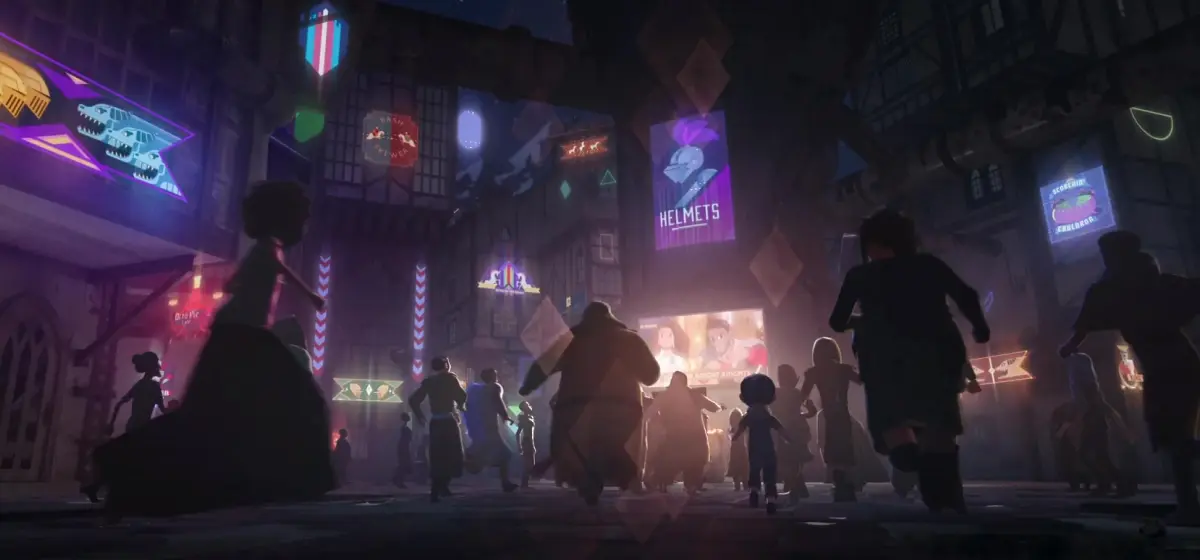
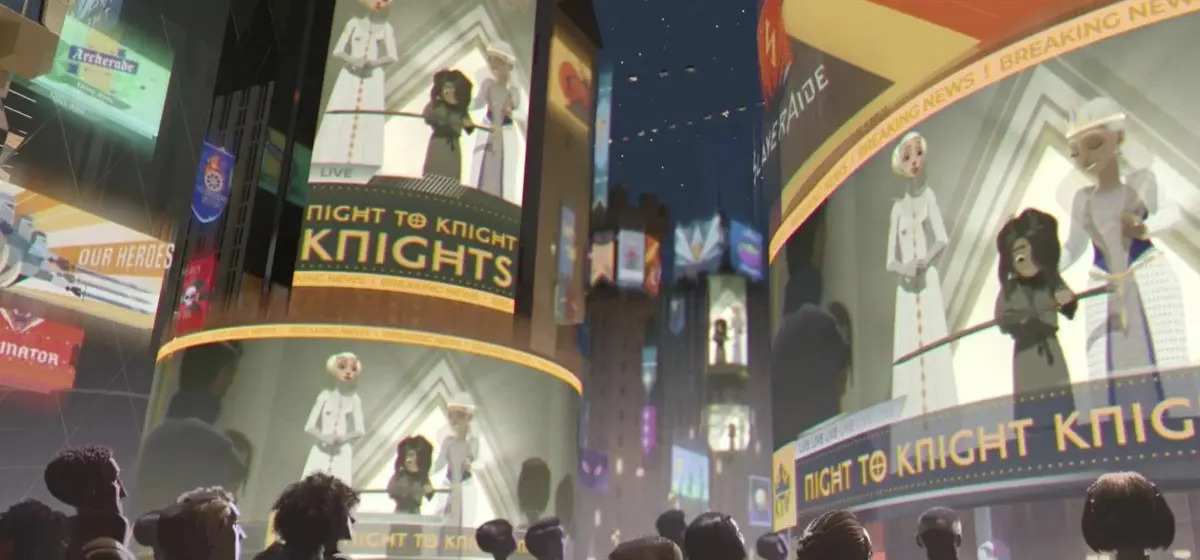
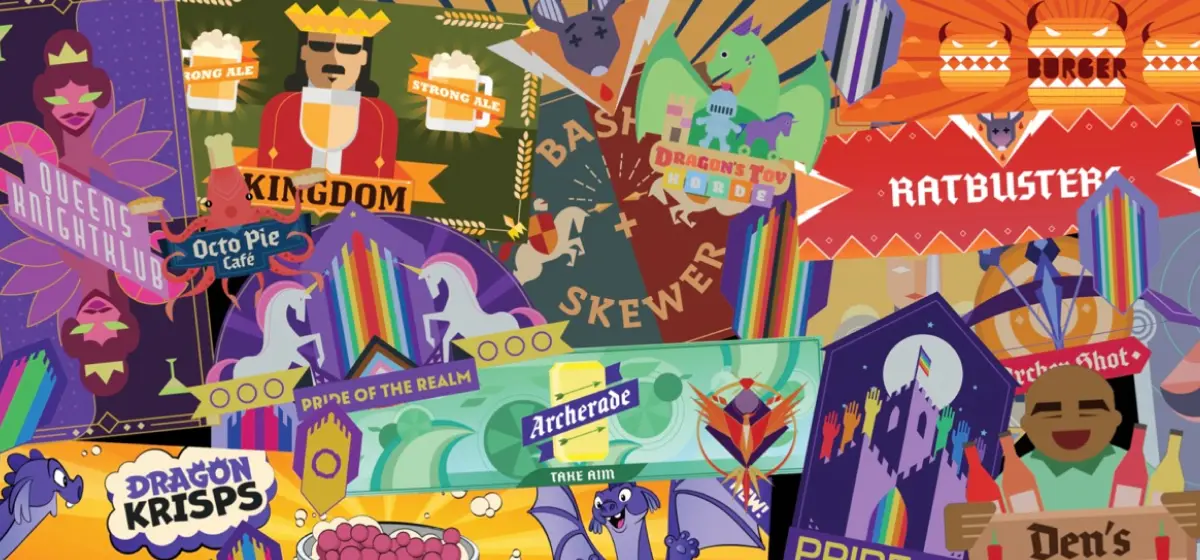

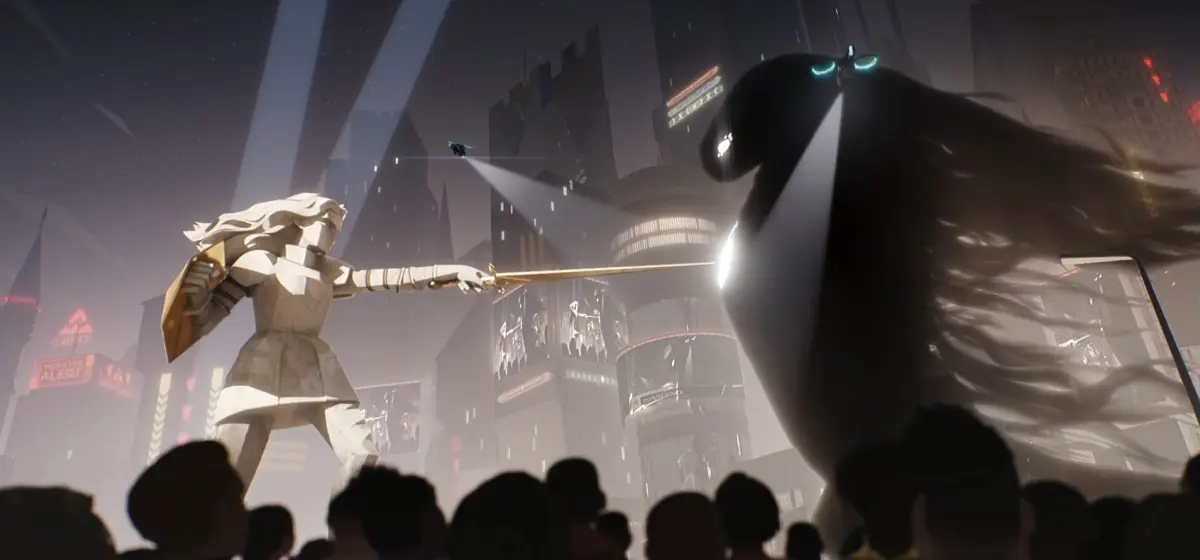
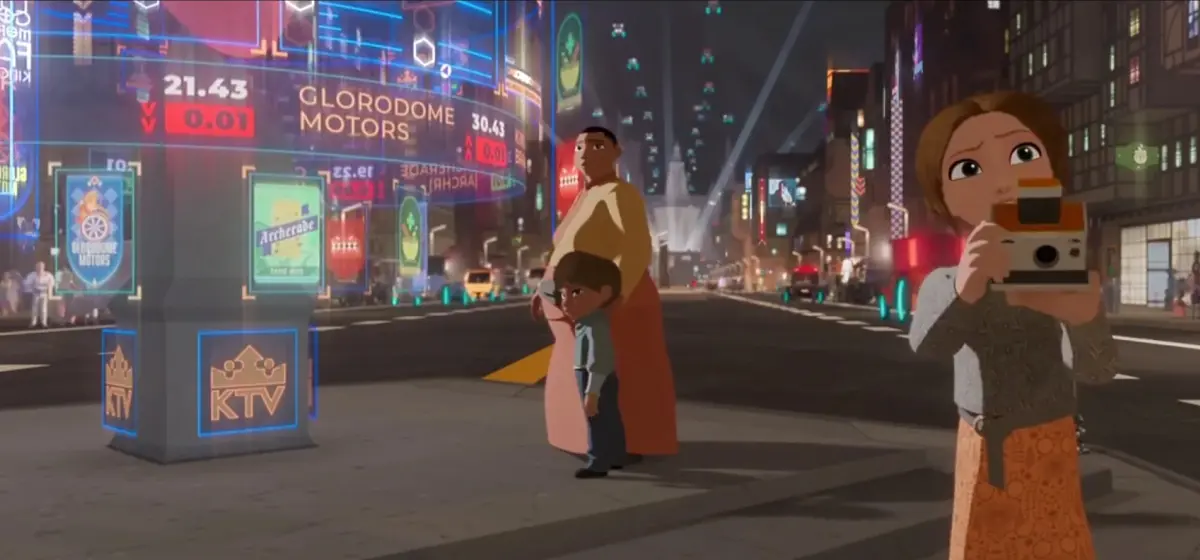
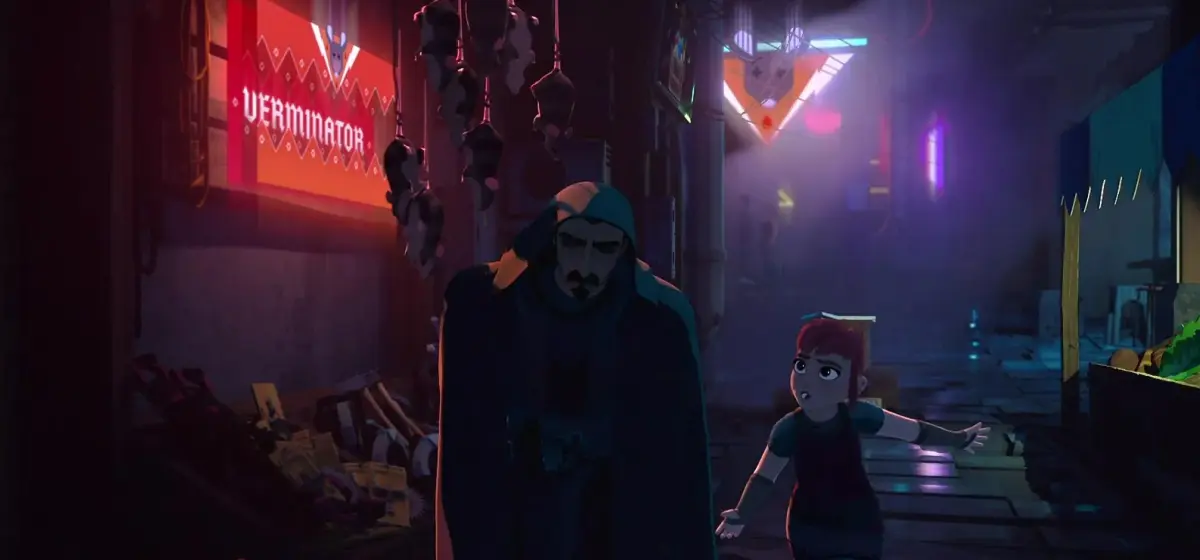

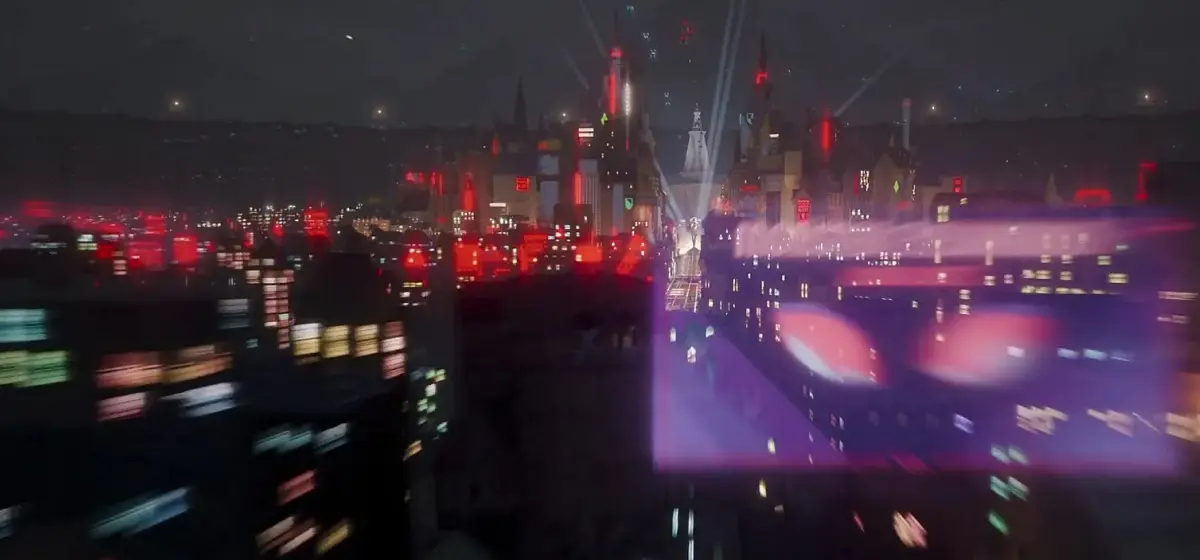

The challenge of in-world design is that it has no audience in the traditional sense. Nobody watches a film to admire the graphics on a background monitor or the signage on a fictional building. They work when they disappear. Every asset was built to serve the internal logic of Nimona's universe first, and the screen second. That discipline, designing for a world rather than for a viewer, is what separates production design from decoration.
The challenge of in-world design is that it has no audience in the traditional sense. Nobody watches a film to admire the graphics on a background monitor or the signage on a fictional building. They work when they disappear. Every asset was built to serve the internal logic of Nimona's universe first, and the screen second. That discipline, designing for a world rather than for a viewer, is what separates production design from decoration.
The challenge of in-world design is that it has no audience in the traditional sense. Nobody watches a film to admire the graphics on a background monitor or the signage on a fictional building. They work when they disappear. Every asset was built to serve the internal logic of Nimona's universe first, and the screen second. That discipline, designing for a world rather than for a viewer, is what separates production design from decoration.